Crash Engine Stunt Ramps and Soft-Body Sends
Run-up, lip, landing, camera, and etiquette for clean Roblox crash theater.
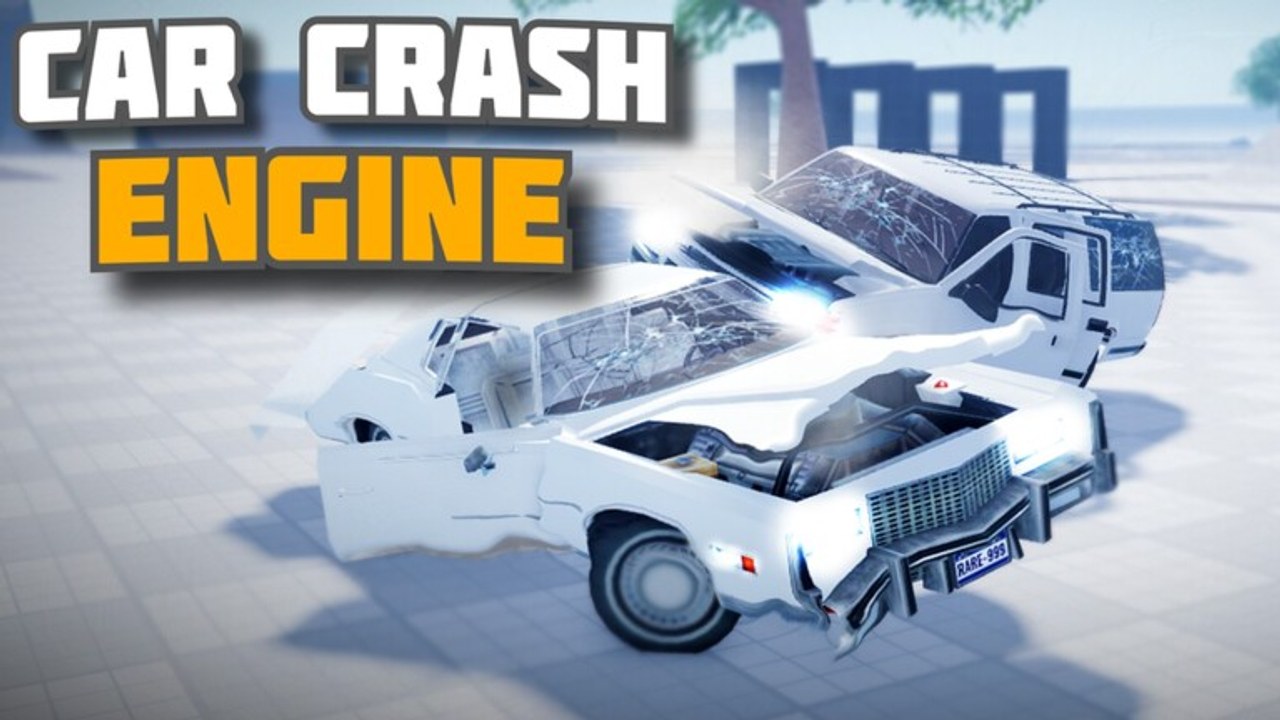
Stunt ramps are the loudest postcard of Car Crash Engine. This Stunt Ramps guide turns a random full-throttle hop into a repeatable soft-body send: run-up, lip, landing, camera, etiquette, and car choice. It sits under the Guides Hub and pairs with Crash Physics for crumple angles and Controls for handbrake and camera timing.
INGameWorks Studio lists stunt ramps among the core fantasies of this Roblox Simulation / Vehicle Sim sandbox (place 12238819324, ages 16+, servers about 25). Soft-body rules still apply: the lip is a decision, not a coin flip. If you are brand new, finish Getting Started before filming hero airtime.
Ramp theater vs derby energy
| Ramp night | Derby pad night |
|---|---|
| One decision, one camera | Multi-axis chaos |
| Spectacle coupe OK | Durability first |
| Abort if the line is dirty | Expect contact once you enter |
| Reset for clean takes | Limp and re-engage |
Mixing mindsets ruins takes. A glass coupe that belongs on a centerline send will fold in three seconds on a crowded pad—save pad survival for Demolition Derby and keep ramp nights about aim.
Scout the landing before the first full send
Walk or slowly drive the landing zone. Note:
- Uneven lips that kick the nose left or right
- Barriers, props, or parked wrecks in the touchdown box
- Whether other players camp the run-up or the exit
- Camera-friendly shoulders where a friend can sit without eating your landing
Two low-speed centerline checks beat one blind max-throttle launch. Map context for where ramps sit among other session lenses lives in Maps and Modes.
Run-up: speed is a dial
Too little speed and you pancake the face of the ramp. Too much and you skip the lip, overshoot the camera, or invert before the fold reads. Build a personal ladder on one familiar ramp:
- Crawl centerline —confirm you hit the middle of the lip.
- Medium send —watch primary airtime and nose attitude.
- Committed send —only after the medium send still lands readable.
Handbrake pivots from Controls help when the run-up is crooked or another car forced you wide. Straighten early; last-frame swerves miss the sweet spot.
Lip aim and nose attitude
The lip decides whether you get a clean arc or a cartwheel you did not ask for.
- Hit center for predictable airtime.
- A slightly off-center lip introduces yaw—useful for filmed twists, risky for learning.
- Keep the nose pointed where you want the first major impact after touchdown.
- Vertical compression on landing is normal soft-body behavior; expect belly scrapes and heavier steering afterward (see Crash Physics).
If you keep clipping one shoulder of the ramp, swap to a more stable A-tier body from Best Cars before blaming the mesh.
Landing: read the crumple, then decide
After touchdown:
- Micro-correct instead of full lock—damaged steering amplifies panic inputs.
- Decide in one breath: continue the roll-out, reset for another take, or park the wreck as the finale.
- Clear the landing box if your crumpled car is now a blockade for the next driver.
Secondary bounces rewrite your line. Accept them as part of soft-body storytelling rather than rage-resetting every scrape.
Camera habits that make airtime readable
- Set camera before throttle on committed sends.
- Prefer a friend on an elevated shoulder over hood-cam chaos for hero clips.
- Call the send in chat so random players do not drive through the landing.
- One page, one story: do not chain five blind launches hoping one looks good.
Group filming roles (driver, camera car, spotter) are covered on Friend Sessions. Soft-body footage pops when someone holds framing while you commit the centerline.
Etiquette on shared ramps
Servers hold up to 25 players. Ramp grief empties lobbies.
- Do not AFK a flipped wreck on the only run-up.
- Give filming crews one clean window when they called a take.
- Telegraph committed charges early so others can clear or opt into a double-send.
- After a total fold on the lip, reset promptly.
- Keep demolition energy on derby pads—do not turn the ramp queue into a silent T-bone trap.
Friendly servers keep ramps alive longer than hostile spawn camping.
Car picks for ramp nights
| Goal | Bias | Notes |
|---|---|---|
| Learning centerlines | Balanced sedan / all-rounder | Forgiving when you miss slightly |
| Filmed flips and arcs | Coupe / spectacle S–A pick | Expect less limp-away durability |
| Heavy landing comedy | Mid-weight durable body | Nose fold reads clearly on camera |
| Approach practice on uneven ground | Crossover first | Then swap spectacle cars |
Type advice sits on Vehicles; letter ranks on Best Cars. Do not bring a glass coupe to a full derby pad and then wonder why the montage died—match chassis to mode.
Session recipe (about 15 minutes)
- Two low-speed centerline checks.
- One medium send with camera set.
- One committed send for the clip.
- Clear wreckage if you block the ramp.
- Optional second car swap for a contrast landing.
Save experimental cliff-adjacent ramps for the end of a longer playlist from Maps and Modes so early reps stay clean.
After patches
Physics, ragdoll, and vehicle tweaks can change how landings feel. When the experience stamp moves, re-run your familiar centerline and skim the Updates Hub. Do not assume last month’s medium-send speed still photographs the same way.
Related reading
- Soft-body angles: Crash Physics
- Inputs and camera: Controls
- Where ramps sit among modes: Maps and Modes
- Gravity contrast: Mountain Descents
- Speed and convoy contrast: Highway and Drift
- Day-one loop: Getting Started
- Car ranks: Best Cars
- Pad contrast: Demolition Derby
Scout the lip, set the camera, pick a car that matches the take—then enjoy the fold.
Frequently Asked Questions
Quick answers about codes, cars, controls, and soft-body crashes.
How fast should I hit a stunt ramp?
Build a ladder: crawl centerline, medium send, then committed send. Too much speed skips the lip or overshoots the camera.
What car is best for learning ramps?
Start with a balanced sedan or stable A-tier all-rounder. Switch to spectacle coupes only after your centerline is consistent.
How do I keep other players from ruining a filmed send?
Call the take in chat, clear the landing box, and give filming crews a short clean window—same etiquette spirit as friend sessions.
Why do my landings feel random?
Uneven lips, off-center aim, and panic steering after compression all amplify chaos. Scout first and micro-correct after touchdown.