Crash Engine Demolition Derby Survival
Etiquette, car choice, T-bones, and exit timing for soft-body pileups.
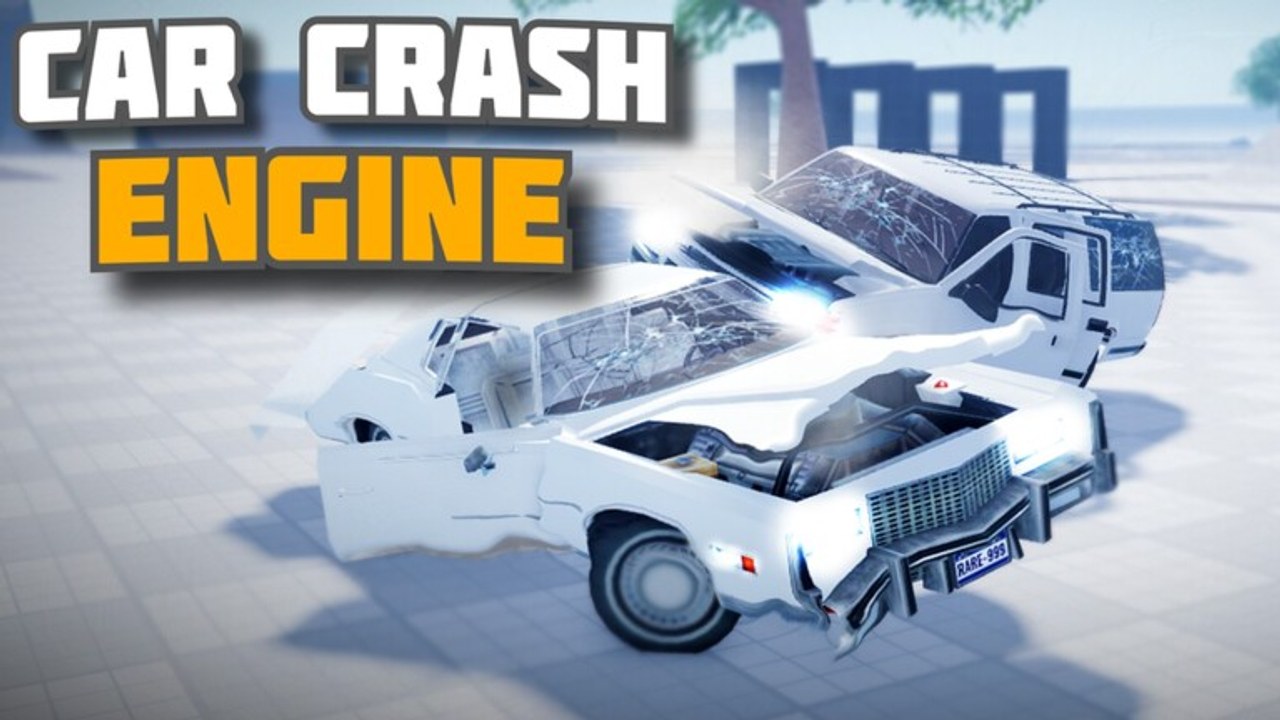
Demolition derby is where Car Crash Engine stops being a solo stunt lab and becomes a mutual soft-body brawl. This Demolition Derby guide covers pad etiquette, which cars survive longer, how to land T-bones without wasting your own chassis, and when leaving the pad is the smart play. Pair it with Tips and Tricks for session habits and Crash Physics for impact angles.
INGameWorks Studio lists demolition derby among the core fantasies of this Roblox Simulation / Vehicle Sim sandbox. Servers hold up to 25 players, so pads can fill fast. Soft-body rules still apply: angle and mass matter more than spam throttle.
Derby mindset vs stunt mindset
| Stunt ramp night | Derby pad night |
|---|---|
| One decision, one camera | Multi-axis chaos |
| Spectacle coupe OK | Durability first |
| Abort if the line is dirty | Expect contact once you enter |
| Reset for clean takes | Limp and re-engage |
Mixing mindsets is the number-one fail: players bring glass coupes into a full pad, fold in three seconds, then blame physics. Decide the mode before you spawn.
Car choice for the pad
Prioritize bodies that still steer after a side fold:
- Mid-weight durable sedans / all-rounders —best default for most players.
- Light trucks / crossovers —extra shove and ride height; watch rollover on piled cars.
- Heavy work bodies —momentum kings for clearing lanes; slower to aim last-second gaps.
- Sports coupes —only for short “hero entry” clips, not survival mains.
Read type notes on Vehicles and letter ranks on Best Cars before you commit a fragile S-tier spectacle car to a 12-car scrum.
Pad etiquette that keeps servers fun
- Enter only when you want contact. If you are learning brakes, stay on a wall ladder instead.
- Do not spawn-camp the entrance with a flipped wreck for minutes at a time.
- Respect filming groups. If a crew called a staged take on Friend Sessions, give them one clean window.
- Telegraph committed charges with early steering so others can opt into the pileup.
- Clear or reset when your car is a static blockade on the only entry lane.
Soft-body pileups are funnier when everyone opted in. Hostile spawn traps empty servers.
T-bones and side entries
A T-bone (~90° into a door or rear quarter) is classic derby language. Soft-body specifics:
- Square side hits dump energy into cabin / door fold and can end fragile cars instantly.
- Slightly forward or rearward of center changes yaw—use that to spin a rival into a second car.
- Your own nose will crumple; expect steering weight to change after a hard T-bone.
- Glancing side swipes set up chain reactions without totaling yourself as fast.
Practice the angle on empty barriers first using Crash Physics drills, then bring it to the pad.
Survival habits inside the scrum
- Keep short throttle bursts instead of pinned acceleration into unknown gaps.
- Prefer perimeter orbits when the center is a five-car knot; dive in when a lane opens.
- Protect your flanks—present the nose you can afford to fold, not a door to a charging truck.
- After a big hit, micro-correct instead of full lock; damaged steering amplifies panic inputs.
- Track one threat at a time; tunnel vision on a single rival invites the third car you did not see.
Recovery tips from Tips and Tricks apply double here: limp away, reassess, then re-enter.
When to leave the pad
Leave (or reset elsewhere) when:
- Your steering is too broken for fair entries.
- You are tilted and charging without an angle plan.
- The pad is mostly AFK sculptures and you wanted live chaos.
- A friend group is mid-film and you are the accidental interrupt for the third time.
- You came to practice precision ramps and the pad stole your attention.
Cool down on a highway loop or suspension stretch from Maps and Modes, then return with a fresh car and a calmer plan.
Solo practice before busy servers
If public pads feel unfair, rehearse alone or with two friends:
- Spawn a durable mid-weight.
- Set cone-like prop markers and practice 90° entries at rising speeds.
- Add a second car as a moving target (friend or careful AI-free human dummy runs).
- Practice post-hit limp circles.
- Only then join a full server pad.
This ladder mirrors the wall ladder idea but for multi-car geometry.
Derby plus filming
Derby footage pops when someone holds an elevated camera car outside the densest knot while two drivers commit a called T-bone. Agree:
- Who is the primary target.
- Who provides secondary shove.
- When the camera car is allowed to join the pile (usually after the hero fold).
Chaos without roles becomes muddy brown noise. Roles create stories.
After patches
Durability and ragdoll feel can shift when INGameWorks ships changes. If cars suddenly fold flatter or occupants behave differently, re-test your main derby body and skim the Updates Hub plus any Roadmap notes. Do not assume last month’s “unkillable” truck still limps the same way.
Related reading
- Session polish: Tips and Tricks
- Angles and crumple: Crash Physics
- Type picks: Vehicles
- Letter ranks: Best Cars
- Where pads sit in the world: Maps and Modes
- Group play: Friend Sessions
Enter with a durable car, a called angle, and an exit plan—then enjoy the pileup.
Frequently Asked Questions
Quick answers about codes, cars, controls, and soft-body crashes.
What car should I use for demolition derby?
Start with a mid-weight durable sedan or light truck. Save fragile sports coupes for short filmed entries, not survival mains.
How do I land a better T-bone?
Practice ~90° side entries on empty barriers first, aim slightly off-center to add yaw, and expect your own nose to crumple afterward.
When should I leave the derby pad?
Leave when steering is too broken for fair play, you are tilted into blind charges, or you are repeatedly interrupting a filming group’s staged take.
Is derby etiquette really necessary?
Yes. Clear entries, no spawn camping, and respect for filming windows keep 25-player soft-body servers lively instead of toxic.